Industrial properties have different needs than residential and commercial properties. There may be heavy equipment, company vehicles, valuable materials, outdoor storage, loading areas, restricted work zones, and large amounts of inventory spread across a substantial property. Keeping everything secure and organized requires more than simply drawing a line around the perimeter.
Industrial fencing provides a physical boundary that can help protect your property, control access, improve security, and keep daily operations running more efficiently. For Delaware warehouses, manufacturing facilities, distribution centers, equipment yards, construction operations, utility properties, and other industrial locations, the right fencing system can become an important part of the overall property design. And when your property contains thousands of dollars worth of equipment sitting outside, the fence probably should not be an afterthought.
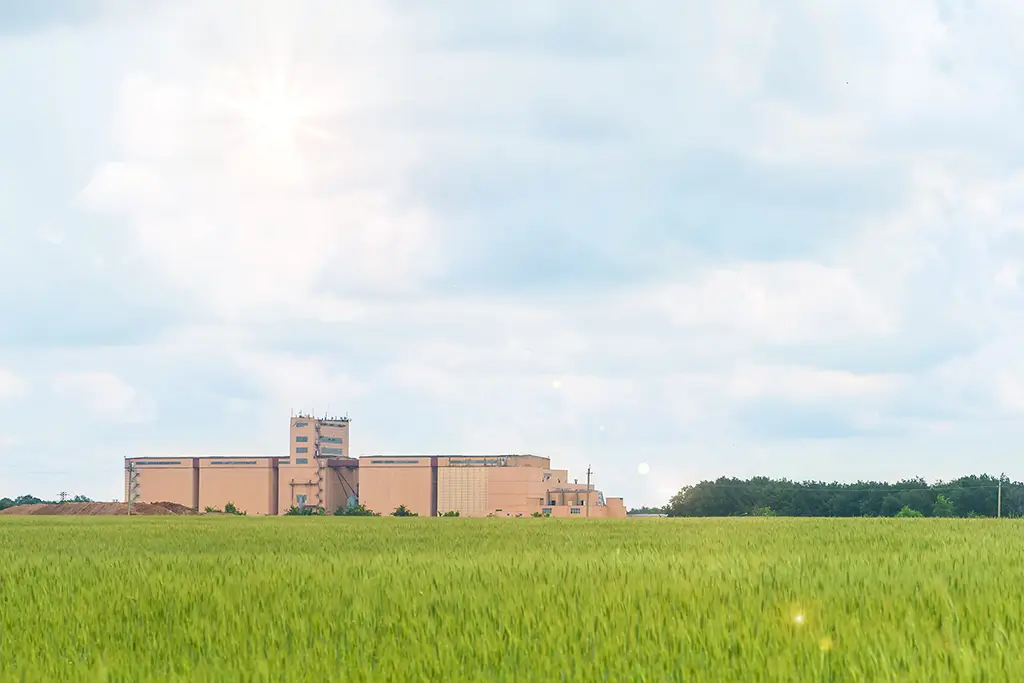
Large Delaware Industries Require Reliable Security Fencing!
Industrial Properties Have Bigger Fencing Needs
Industrial fencing projects often cover much more ground than a typical residential installation. There may be expansive parking areas, large storage yards, multiple buildings, loading docks, access roads, employee entrances, and equipment areas that all need to work together.That makes planning especially important.
A fence may need to secure the entire perimeter while still allowing employees, delivery vehicles, contractors, and authorized visitors to move efficiently through the property. Certain areas may require additional protection, while other sections may need to remain easily accessible during normal business operations. We look at the property as a complete system rather than simply focusing on the fence line. Understanding how the site operates allows us to help create a solution that provides security without creating unnecessary obstacles for the people who use the property every day.
Security Starts With the Perimeter
A secure industrial property begins with a clearly defined perimeter. Industrial fencing can establish a physical boundary that helps discourage unauthorized entry and makes it easier to control who and what enters the property. The right fence can help protect equipment, vehicles, materials, inventory, and restricted areas while giving employees a clearly defined working environment.
However, effective security is about more than installing the strongest fence available. Fence height, material, visibility, gates, access points, property layout, and the location of valuable assets should all be considered. A thoughtfully designed perimeter can make a property more difficult to access without authorization while still allowing legitimate traffic to move efficiently.
Protecting Equipment and Outdoor Assets
Many industrial businesses rely on equipment and materials that cannot simply be locked inside a building at the end of every workday. Construction companies may have heavy machinery and trailers. Landscaping companies may store commercial equipment. Manufacturing operations may have materials or finished products outside. Distribution facilities can have vehicles, pallets, containers, and other assets throughout the property.
Industrial fencing can help create designated areas for these assets and establish a controlled perimeter around them. This additional separation can help reduce opportunities for unauthorized access while also keeping equipment and materials organized. When everything has a defined place, employees can spend less time searching for what they need and more time getting the job done.
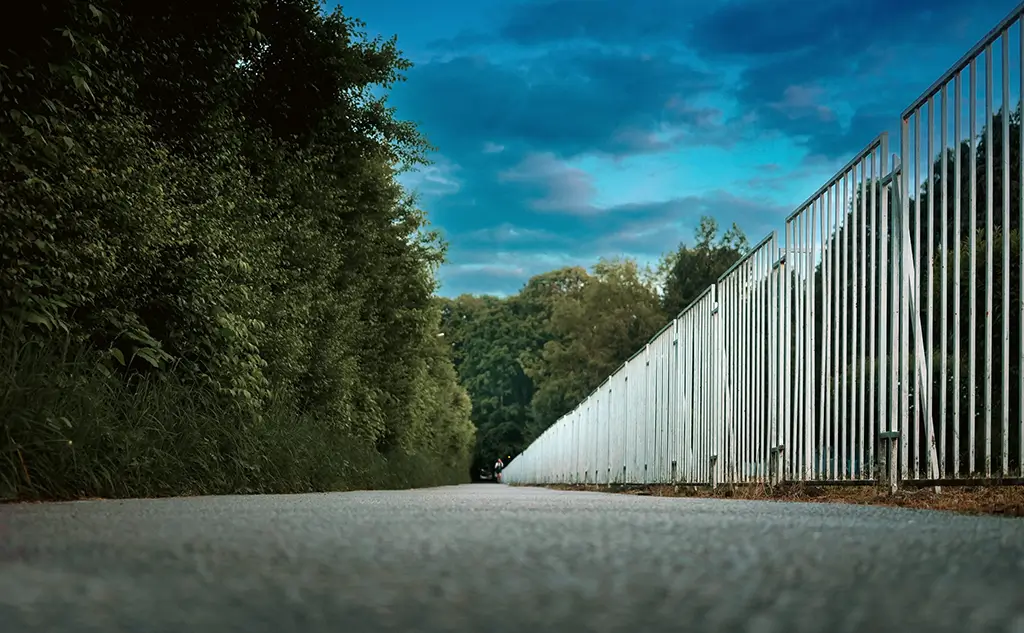
Industrial Fencing Helps Control Access
Large industrial properties can have a surprising number of people coming and going. Employees arrive for shifts. Vendors make deliveries. Contractors need access to work areas. Customers may visit. Service vehicles come and go.
Without clearly defined access points, traffic can quickly become difficult to manage.
Industrial fencing allows businesses to establish specific entrances and exits while restricting access to areas that should remain private.
Gates can be positioned around the way vehicles and people actually move through the property rather than simply being installed wherever there happens to be an opening. That distinction matters.
A well designed access system can help employees know where they should enter, guide delivery vehicles toward appropriate areas, and prevent unnecessary traffic through restricted sections of the property.
Industrial Gates Are a Critical Part of the System
A fence is only part of an industrial security solution. Gates are where people, vehicles, equipment, and deliveries interact with the perimeter, which makes their design especially important. A pedestrian entrance has different requirements than an opening designed for semi trucks or heavy equipment. A gate used several times every day needs to be convenient and dependable. A restricted service entrance may need a completely different approach.
We consider traffic patterns, vehicle size, frequency of use, security requirements, and property layout when planning industrial gates. The goal is to create access that is controlled without becoming cumbersome. Because when a forklift operator has to stop and figure out how to navigate an awkward gate for the twentieth time that week, everyone involved is going to have some opinions about the original design.
Privacy Can Be Part of Industrial Security
Some industrial businesses need to limit visibility into their property as well as physical access. Outdoor storage areas, equipment yards, employee spaces, waste containers, materials, and other operational areas may not need to be visible from nearby roads or neighboring properties. Privacy fencing can provide additional separation while giving the property a cleaner and more organized appearance.
Reducing visibility can also be useful when businesses have valuable equipment or materials stored outdoors. While fencing should be considered as one part of a broader security strategy, limiting unnecessary visibility can be another practical layer of protection. It also means visitors driving past the property see a professional perimeter instead of a collection of equipment, containers, and materials that were never intended to be part of the company presentation.
Built for Delaware Conditions
Industrial fencing spends every day outside, exposed to whatever Delaware weather has planned. Summer heat and humidity, spring rain, winter temperatures, strong winds, and seasonal changes can all affect outdoor fencing and hardware. Industrial properties can experience additional wear because of the amount of activity surrounding the fence. Trucks pass nearby. Equipment moves through gates. Landscaping crews work along fence lines. Snow and ice may accumulate during winter. Maintenance vehicles may operate close to posts and gates.
Selecting appropriate materials and installing the fencing correctly can help create a system designed for the demands of an active industrial property. The objective is dependable performance, not simply a fence that looks good immediately after installation.
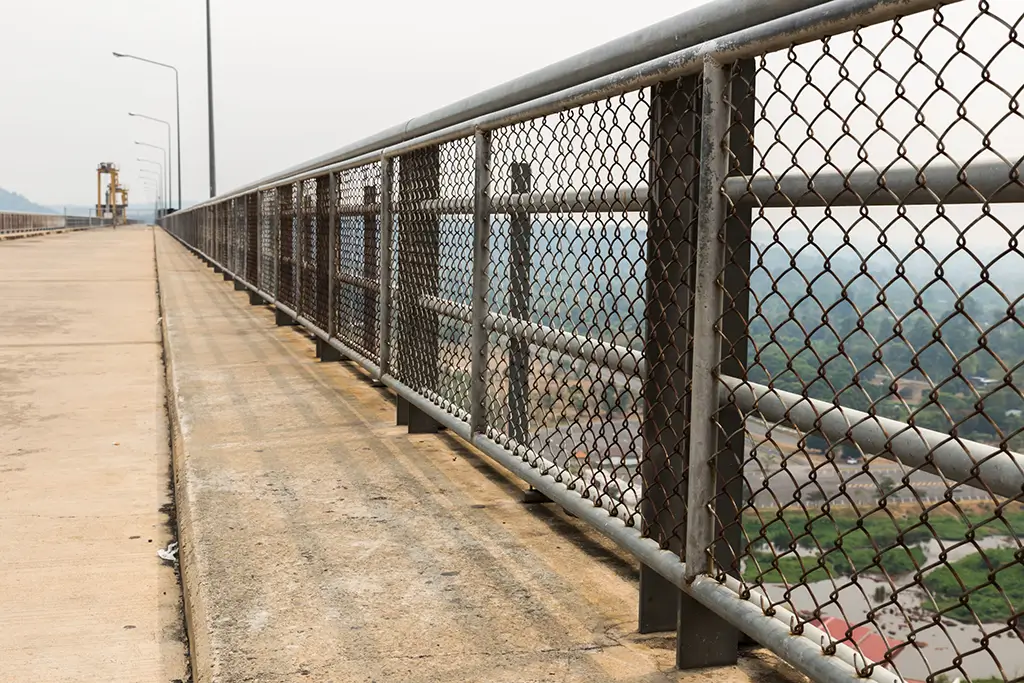
Durability Matters When the Property Is Busy
Industrial fencing needs to handle real world use. That means materials and installation methods should be selected with the environment and intended application in mind. The fence may need to withstand regular weather exposure, daily gate activity, nearby equipment movement, and the occasional bump or scrape that comes with operating a busy commercial site. Quality components and professional installation can make a significant difference in how a fencing system performs over time.
We pay attention to the details that contribute to a properly installed system, including alignment, posts, hardware, gates, access points, and the overall layout. The goal is to create industrial fencing that provides dependable service rather than something that constantly needs attention.
Separate Work Areas for Better Organization
Industrial properties often have multiple functions taking place at the same time. Employees may need to work in one area while deliveries occur in another. Heavy equipment may need to remain separated from pedestrian traffic. Maintenance areas may need to be restricted. Storage yards may require controlled access. Fencing can help divide these spaces and create a more organized property.
Clearly defined areas can make it easier for employees to understand where equipment belongs, where visitors should go, and which locations require authorization. It can also help businesses make better use of large properties by creating dedicated spaces for different activities. A well planned industrial fence does not simply keep people out. It can help direct the right people to the right places.
Safety and Security Work Together
Security is an important reason for industrial fencing, but safety deserves equal consideration. Heavy equipment, trucks, machinery, materials, and active work areas can create environments that are not appropriate for visitors or unauthorized personnel. Establishing physical boundaries can help separate public areas from operational spaces and reduce unnecessary foot traffic.
Fencing can also help create safer separation between vehicles and pedestrians when the property layout is designed appropriately. Every industrial property is different, so the fencing plan should reflect the actual conditions and operations of the site.
Professional Installation Makes a Difference
Industrial fencing is not a project where small details are insignificant. A large property may require hundreds or even thousands of feet of fencing, multiple gates, specialized access points, and careful coordination with existing structures and site features. Proper installation helps ensure that fence lines remain consistent, posts are appropriately positioned, gates function correctly, and the completed system follows the intended layout.
We approach each project with the understanding that industrial fencing needs to work in the real world. That means considering the terrain, property use, traffic, security requirements, and long term demands of the site before installation begins. Good planning today can prevent a lot of frustration later.
Industrial Fencing for Delaware Businesses
Whether you operate a warehouse, manufacturing facility, distribution center, equipment yard, construction business, utility property, or another industrial operation, your fencing should be designed around the way your business works.
We can help you consider the many factors involved in an industrial fencing project, including perimeter security, privacy, access control, gates, equipment protection, traffic flow, durability, and property organization. The best industrial fencing does its job without interfering with yours.
It protects valuable assets, establishes clear boundaries, controls access, and helps keep your property organized. It gives employees a defined working environment and provides business owners with another important layer of security. Most importantly, it becomes part of the way your property operates. For Delaware businesses, that is what industrial fencing should be about. Not simply putting a fence around a property, but creating a stronger, more secure, more functional environment where your business can keep moving forward.
Contact Us Today!