Agricultural fencing has a job to do. Whether you are managing livestock, protecting crops, establishing property boundaries, creating paddocks, or simply keeping your land organized, a farm fence needs to do much more than look good from the road. It needs to work every day, withstand Delaware weather, and make sense for the way your property is actually used.
That is where the right agricultural fencing can make a tremendous difference. A properly planned and professionally installed fence can help you manage your land more efficiently, protect valuable animals and crops, and give you greater control over your property. From smaller hobby farms and horse properties to larger agricultural operations, every piece of land has its own challenges. There is no reason your fence should be treated like a one size fits all project.
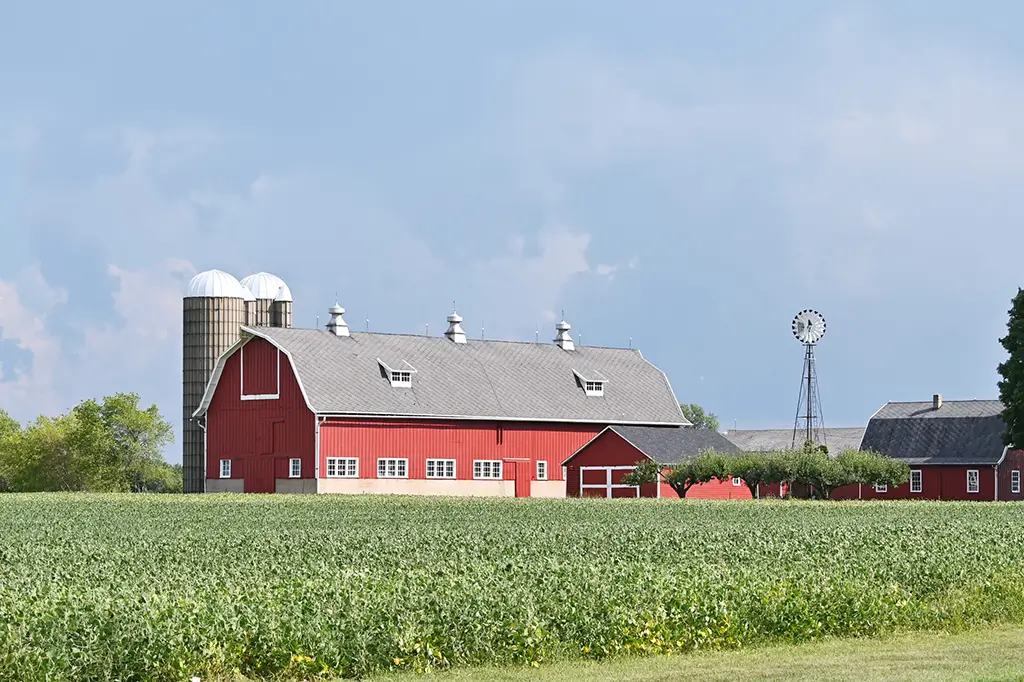
Our Beautiful Delaware Farms Deserve Quality Fencing!
Delaware Farms Have Their Own Fencing Challenges
Delaware may be a small state, but its agricultural landscape is anything but simple. Rural properties can include open fields, wooded areas, pastures, barns, equipment areas, gardens, ponds, and uneven terrain. Some properties are actively farmed, while others are working toward becoming hobby farms or small agricultural properties.
Weather adds another consideration. Delaware experiences hot and humid summers, cold winters, spring rain, strong winds, and changing ground conditions throughout the year. Moisture can affect certain materials, while wet or soft ground can create challenges around fence posts and gates. A fence that looks perfectly adequate when installed still needs to perform when the seasons change. That is why agricultural fencing should begin with the property itself. We look at how the land is being used, what the fence needs to accomplish, where animals will be contained, and how people and equipment will move through the property. The goal is not simply to put up a fence. The goal is to create a fencing system that makes life on your property easier.
The Right Fence Starts With the Right Purpose
There is a big difference between fencing designed to keep horses contained and fencing intended to protect crops from wildlife. A fence surrounding a pasture has different requirements than a boundary fence along a large rural property. Even two farms with similar acreage may need completely different fencing solutions. Before choosing materials or styles, it is important to determine exactly what the fence needs to accomplish. Are you keeping livestock in? Keeping wildlife out? Dividing pasture? Protecting a garden or agricultural area? Creating a safer space for horses? Establishing a clear property boundary?
Once those questions are answered, the rest of the project becomes much easier. We can help Delaware property owners consider the appropriate fencing style, materials, layout, gates, and access points for their particular application. Good agricultural fencing should make sense not only on installation day, but every time you use the property afterward.
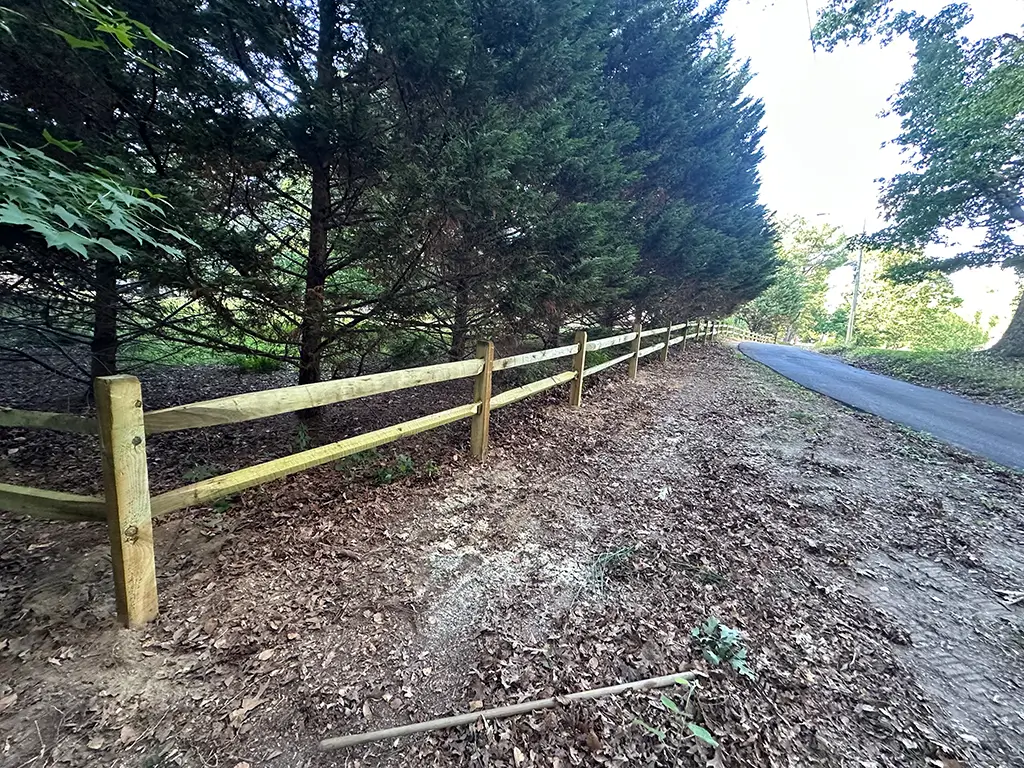
Agricultural Fencing for Livestock
When animals are involved, the fence becomes an important part of daily property management. Horses, cattle, goats, sheep, poultry, and other livestock can all have different containment needs. Animals also have a remarkable talent for discovering the one weak spot you hoped they would never notice.
A properly designed agricultural fence can provide dependable containment while helping you manage different areas of your property. Fencing can be used to create separate pastures, establish controlled access points, protect animals from areas that may not be suitable for grazing, and make it easier to manage your land.
The details matter. Fence height, spacing, strength, visibility, post placement, gates, and overall layout can all influence how well a fencing system performs. The right approach depends on the animals, property, terrain, and purpose of the enclosure.
Horse Fencing Requires Thoughtful Planning
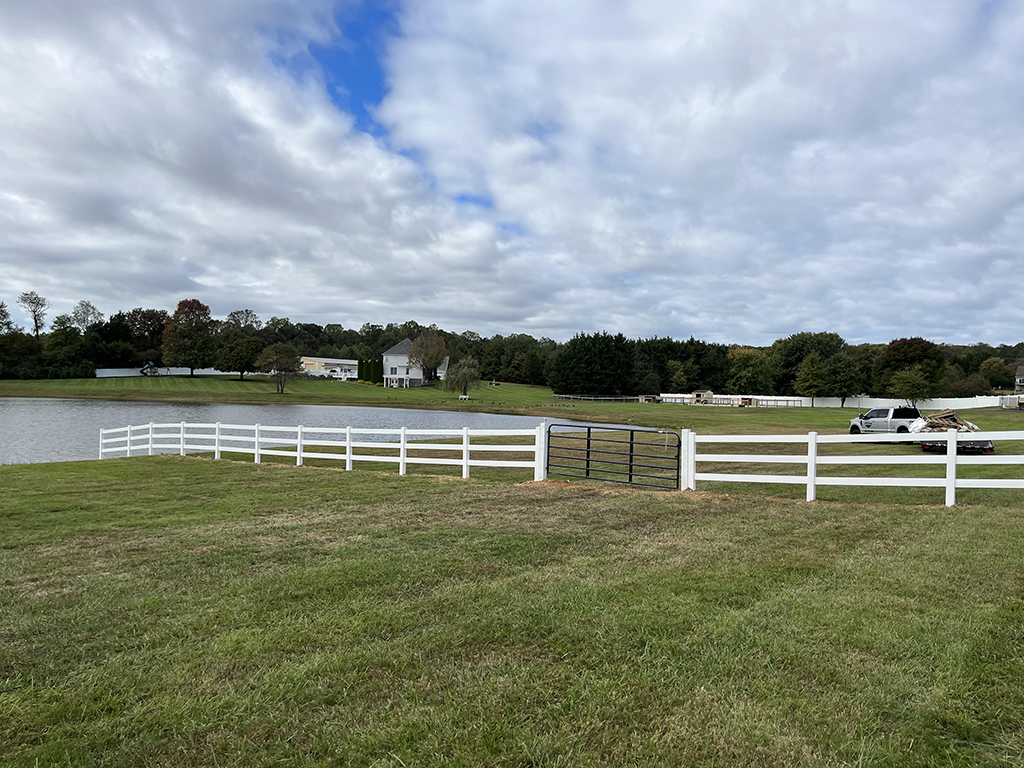
Horse properties deserve special consideration. Horses are strong, curious, and capable of putting considerable pressure on fencing. A fence that works well for one type of livestock may not necessarily be the best choice for horses. Visibility is particularly important when planning horse fencing. The goal is to create a clear boundary that horses can recognize while providing a secure enclosure. The placement and design of gates also deserve careful attention because gates are often the busiest part of a fencing system.
For Delaware horse owners, a well planned fence can provide a combination of security, functionality, and appearance. Whether you are creating a paddock, enclosing pasture, or improving an existing equestrian property, the fence should be designed around the way the horses and owners actually use the space.
Protecting Crops, Gardens, and Agricultural Areas
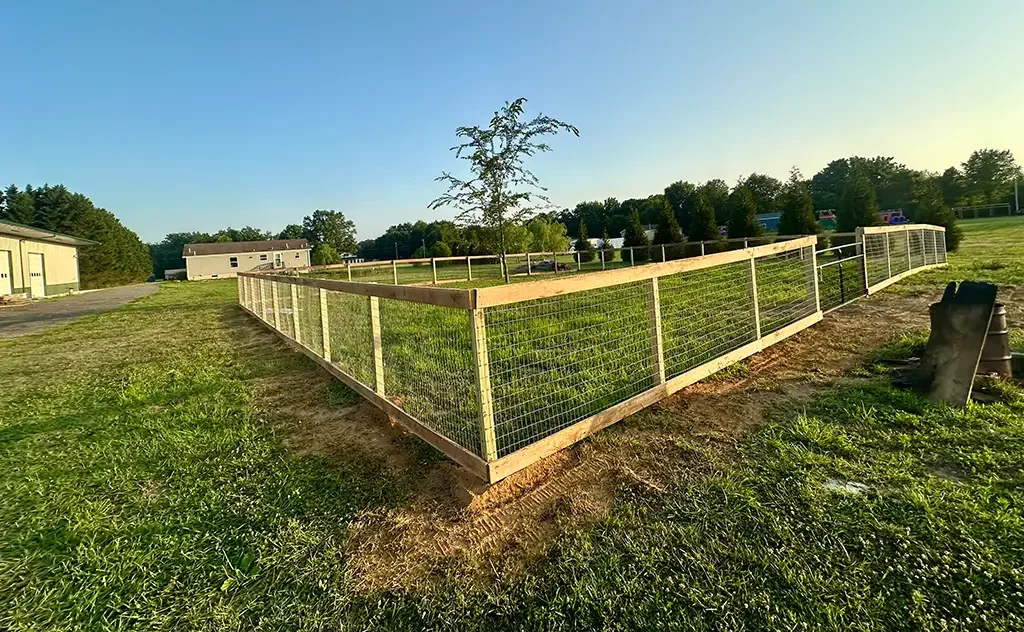
Not every agricultural fencing project is about keeping livestock inside. Sometimes the biggest problem is keeping everything else out. Deer, rabbits, and other wildlife can turn a productive garden or crop area into an all you can eat buffet. Agricultural fencing can provide an important barrier around gardens, orchards, planted areas, and other spaces where unwanted visitors are not welcome.
The appropriate fence depends on the animals you are trying to exclude, the size of the area, and the level of protection required. A thoughtful design can help protect valuable plants and reduce the frustration of discovering that something enjoyed your crops before you had the opportunity to do so.
Agricultural Fencing Should Make Your Property More Functional
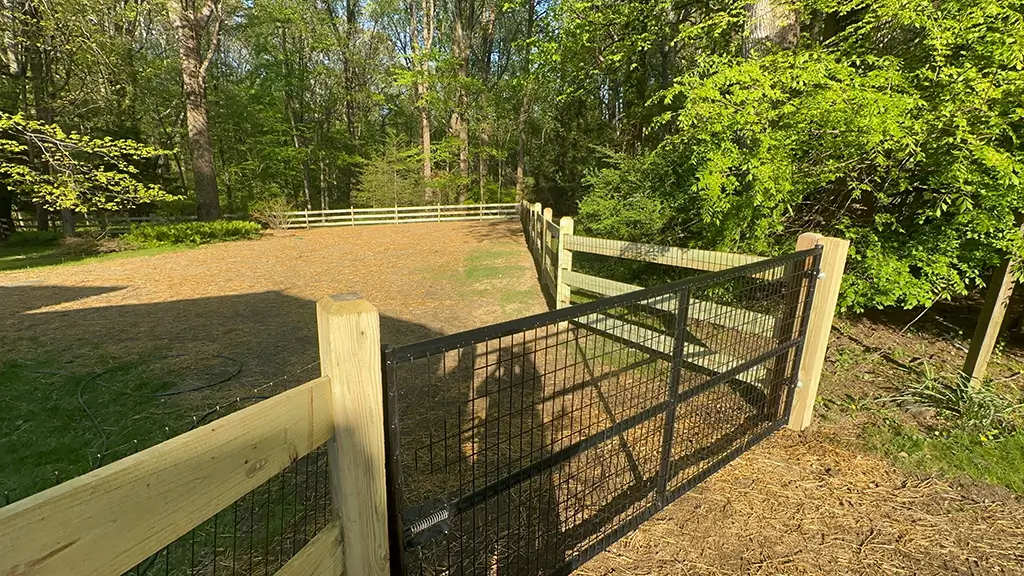
A good fence does more than create a physical barrier. It can improve the way an entire property functions. Strategically placed fencing can help divide large areas into manageable sections, create dedicated livestock spaces, guide movement, protect sensitive areas, and establish clear boundaries. Proper gates can provide convenient access for people, vehicles, tractors, trailers, and other equipment.
This is especially important on working properties. You do not want to discover after installation that the gate is in exactly the wrong place when you are trying to move equipment through the property. Planning access points before installation can save considerable frustration later.
Built Around Your Land
Every agricultural property has its own personality. Some are wide open and relatively flat. Others include wooded sections, hills, drainage areas, ponds, or irregular property lines.
Some have existing fences that need to be incorporated into a new system, while others are starting completely from scratch. We take those conditions into consideration when planning agricultural fencing projects throughout Delaware.
Rather than forcing your property into a predetermined fence layout, we can help develop a solution around the land.
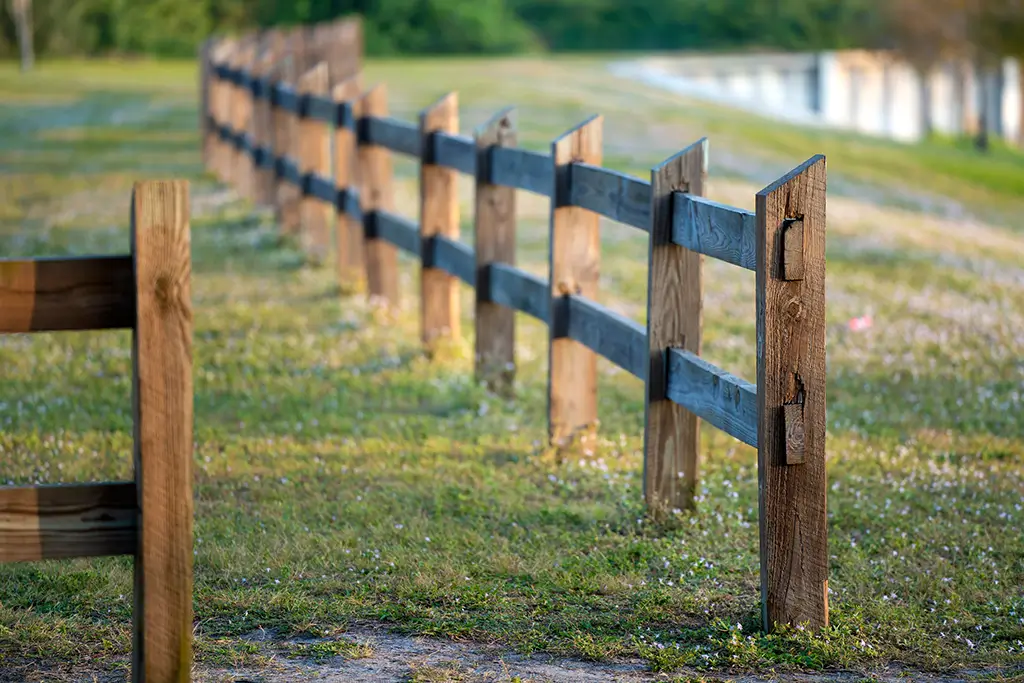
That may mean adjusting the fence line to accommodate terrain, planning gates around equipment access, creating separate enclosures, or selecting different fencing solutions for different areas of the same property. In other words, your fence should work with the property instead of making you work around the fence.
Quality Materials Matter
Agricultural fencing in Delaware is exposed to the elements every day. Sun, rain, humidity, wind, temperature changes, soil conditions, animals, equipment, and regular use can all place demands on a fence. That makes material selection an important part of the process.
Quality posts, wire, rails, hardware, gates, and other components can contribute to the overall strength and longevity of the finished system. Professional installation is equally important because even excellent materials can perform poorly if posts are improperly positioned, fencing is incorrectly tensioned, or gates are not installed correctly. We believe quality control begins with the products we select and continues through every stage of installation.
Agricultural Gates Are Just as Important as the Fence
A fence may surround your property, but the gates are where everything comes and goes. That makes them one of the most important parts of the entire system. Agricultural gates need to be positioned where they are convenient and designed for the traffic they will handle. A small pedestrian gate has very different requirements than a large opening intended for tractors, trailers, or farm equipment.
We consider access, location, frequency of use, and the surrounding fence when planning agricultural gate installations. The goal is simple: make it easy to get where you need to go without compromising the purpose of the fence. Because nobody wants to wrestle with a stubborn gate while standing in the rain with a tractor waiting behind them.
Professional Installation Makes a Difference
Agricultural fencing can cover significant distances, and small installation mistakes can become much bigger problems when multiplied across hundreds or thousands of feet. Proper post placement, alignment, tension, spacing, terrain considerations, and gate installation all contribute to the performance of the finished fence. Professional installation helps ensure that the fencing system is built with the property and its intended use in mind.
We bring that same attention to detail to agricultural fencing that we would bring to any other important property improvement. The finished fence should look clean, function properly, and provide the dependable performance you expect from a professional installation.
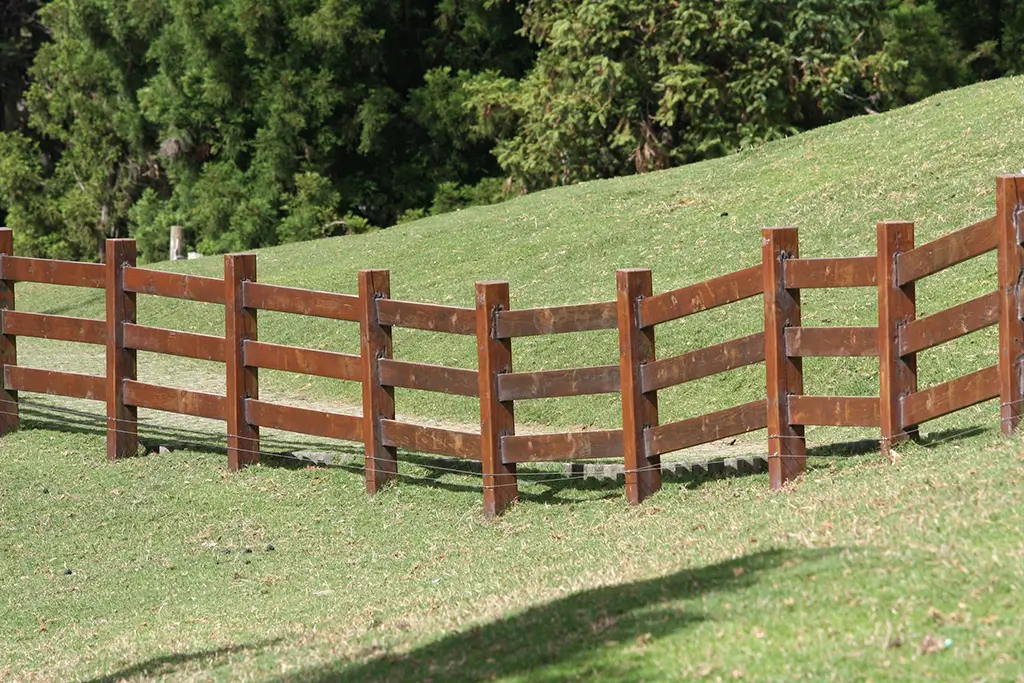
Agricultural Fencing Throughout Delaware
Whether you own a working farm, horse property, hobby farm, rural residence, or another type of agricultural property, your fencing should be selected around your needs rather than simply choosing the first option available.
We can help you think through the practical side of the project, from the purpose of the fence and the layout of your property to materials, gates, access, and long term use. Our goal is to create an agricultural fencing solution that protects your investment while making your property easier to manage.
Delaware’s rural properties deserve fencing that is built with purpose. When the fence is doing its job, you should be able to focus on everything else that matters, whether that means caring for animals, tending crops, maintaining your land, or simply enjoying the space you have worked so hard to create. The right agricultural fence is not just a boundary. It is part of how your property works.
Contact Us Today!