Anyone with a place in Lewes or Bethany Beach knows what the air down there does to metal. The grill rusts. The bike chain goes orange by August. Patio furniture screws turn to crumbs. A fence takes that same punishment every day of the year, plus nor’easter wind and wet sandy soil around every post.
So what holds up? For most coastal Delaware yards, vinyl and aluminum are the safest bets, since neither one rusts or rots. Wood works if you use the right pressure-treated lumber and stay on top of sealing it. Steel and chain link can go in near the water, but expect to pay closer attention to the coating. And whatever you pick, the hidden parts matter just as much: stainless steel fasteners and hardware, posts rated for ground contact, and a design that doesn’t fight the wind.
How each material handles the coast
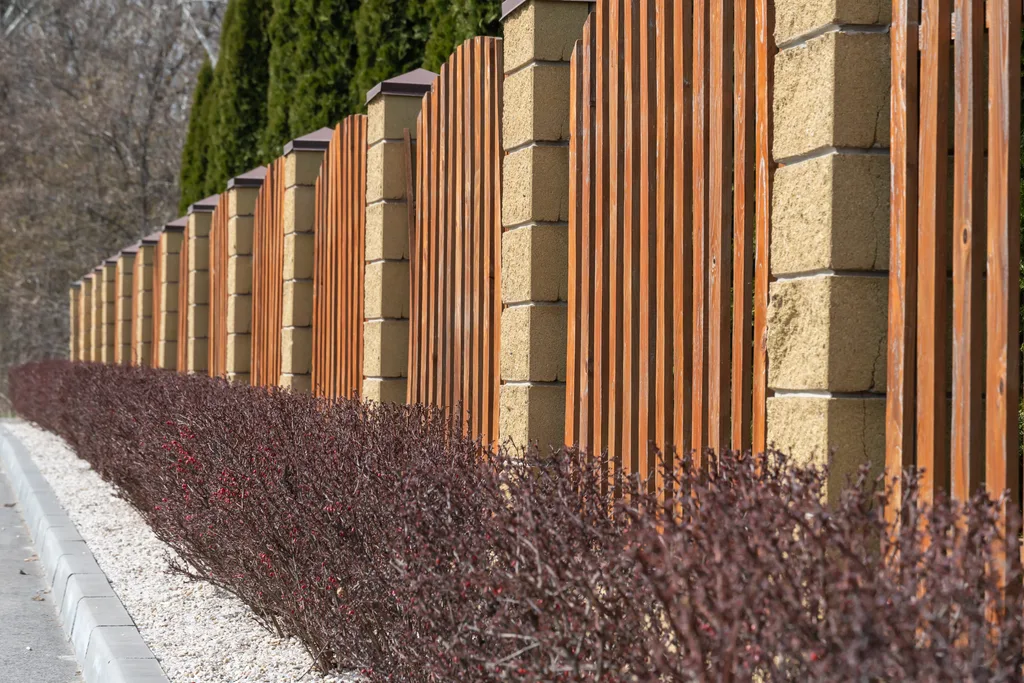
Best Fence Materials for DE
| Material | Salt air | Wind | Moisture | Upkeep |
| Vinyl | Doesn’t rust | Solid panels catch wind, open styles less | Won’t rot | Low, just washing |
| Aluminum | Resists corrosion | Open pickets let wind through | Unaffected | Very low |
| Pressure-treated wood | Fasteners are the weak spot | Solid styles catch wind | Needs the right treatment level | Seal or stain regularly |
| Galvanized chain link | Coating wears faster near salt | Wind passes through | Watch the posts | Check for rust spots |
| Steel and ornamental iron | Rusts without good coatings | Strong | Rust risk at welds and scratches | Highest |
How close to the water is “coastal”?
It depends on how far you are from the water, and even a few blocks makes a difference. Simpson Strong-Tie, the structural connector company, points out that salt spray drops off sharply between about 300 and 3,000 feet from the shoreline. So a house on the dune line in Dewey gets hit far harder than one a mile back in Ocean View. Both still live with salt air, though, and both get the same humidity and storms.
That distance is worth knowing before you pick anything. The closer you are, the more it pays to choose materials and hardware that simply can’t rust.
Is vinyl a good choice at the beach?
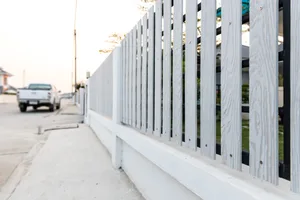
For a lot of homeowners, yes. Vinyl doesn’t rust, rot or attract insects, and it never needs painting or staining. A hose and some soap now and then is about all the care it asks for. That’s a big deal in a place where wood and steel are always fighting the climate.
The trade-offs are cost and temperature. Vinyl can cost more up front than wood, and extreme heat and cold can make it expand, contract and, over time, crack. The other thing to think about is wind. A tall, solid vinyl privacy fence acts a bit like a sail. If you want privacy in a windy spot, ask about styles with small gaps or a semi-private design, and make sure the posts are set solidly.
Why does aluminum do well near salt?
It doesn’t rust like iron or steel does. You get the look of an ornamental iron fence with corrosion resistance and very little upkeep, and it can last for decades. The open picket design helps in the wind too, since air passes right through instead of pushing against a solid wall.
The downsides? Aluminum won’t give you much privacy, and it isn’t as strong as steel or wrought iron. That makes it a great pick for pool fences, front yards and spots where you want the ocean view to stay open, and less great where you need to block out the neighbors.
Can wood work in coastal Delaware?
It can, if it’s the right wood. Most wood fences use pressure-treated lumber, and not all of it is made for the same job. The American Wood Protection Association’s use categories are printed on the end tag of each board. Posts go in the ground, so they need a ground-contact rating of UC4A or higher. Pickets sit above ground and need UC3B or higher. Ask to see the tags.
Then comes the upkeep. Wood needs regular sealing or staining to stand up to water and sun, and the humid coastal summers don’t give it a break. The other weak point is the metal holding it together. Plain steel nails and screws can rust and streak long before the wood gives out.
What about chain link and steel?
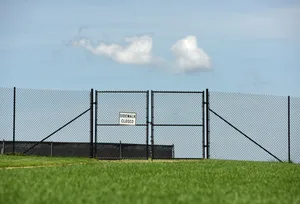
Chain link is affordable and secure, and wind blows right through it, which is helpful on the coast. Most of it is galvanized steel, meaning it has a zinc coating that protects the steel underneath. The American Galvanizers Association counts salinity as one of the factors in how fast that coating wears, so a galvanized fence on the coast can need attention sooner than the same fence inland. Vinyl-coated chain link adds another layer between the steel and the salt.
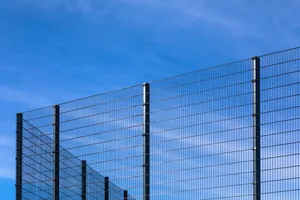
Steel and ornamental iron are the strongest options but need the most care near salt. Any scratch or chip in the coating is a spot where rust can start.
Do the fasteners and hardware matter?
More than most people realize. Hinges, latches, screws and brackets are small, so they rust fast, and once they go, gates sag and panels loosen. For coastal and other high-chloride areas, Simpson Strong-Tie says Type 316 stainless steel resists corrosion better than Type 304. Stainless costs more than galvanized hardware, but the hardware is a small share of the total job, and it’s far less hassle than swapping out rusted gate parts down the road.
How do you keep a coastal fence standing?
Rinse it off now and then, especially after storms, to get salt off the surface. Check the posts after high winds and heavy rain, since wet, sandy soil can loosen them. Watch gates and hinges for rust. And if something leans or breaks, fix it early. Our Fence Repair team handles that.
Planning a new fence first? Check the rules before any posts go in. Fence Permits and Property Lines in Delaware: What to Check Before Installation covers what to look up. For a broader look at styles, read Residential Fencing: Popular Options, Benefits, and Factors Homeowners Should Consider.
Frequently asked questions
What is the best fence material for the beach?
Vinyl and aluminum hold up best in salt air, since neither rusts or rots. Pick aluminum for open views and vinyl for privacy.
Does aluminum fencing rust near the ocean?
No. Aluminum doesn’t rust the way iron and steel do, which is why it’s a common choice for coastal homes and pool areas.
Can I use a wood fence near the coast?
Yes, with ground-contact rated posts (UC4A or higher), corrosion-resistant fasteners and regular sealing or staining.
What hardware should a coastal fence use?
Stainless steel. Simpson Strong-Tie notes Type 316 resists corrosion better than Type 304 in coastal areas.
Building a fence near the Delaware coast? LSG Fencing installs vinyl, aluminum, wood, chain link, ornamental iron and more across Delaware. Call 302-374-0596, see our Residential Fencing and other Fencing Services, or request a free estimate.